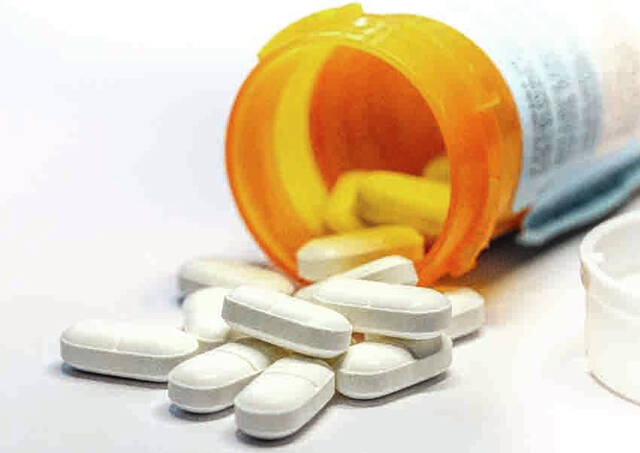
March 15 – 21, 2026: Poison Prevention Week
Young children explore their world through sight, touch, and taste. While curiosity is a natural and healthy part of development, it can also put children at risk when dangerous items are within reach.
In recognition of National Poison Prevention Week, observed annually during the third week of March families are encouraged to take simple but critical steps to prevent accidental poisoning at home.
Medicines are the leading cause of accidental poisonings involving children. Every minute of every day, a parent or caregiver contacts a poison control center because a child has gotten into medicine or received the wrong dose.
Each year:
- More than 47,000 children under age 6 are treated in emergency departments for medicine poisoning — approximately one child every 10 minutes.
- 8,432 children require hospital admission — about one child every hour.
- Approximately every 12 days, a young child dies after getting into medicine.
While medications are essential for treating conditions such as high blood pressure, infections, and pain, they can become dangerous when taken incorrectly or accessed by children without supervision. Medicine can quickly become poison if the wrong dose is administered or if a child ingests it unintentionally.
Common Poisoning Risks Include:
- Prescription medications (pills, insulin, patches, liquids)
- Over-the-counter medications (vitamins, creams, children’s liquid medicines, eye/ear drops)
- Household products (lotions, diaper rash creams, makeup, paint)
- Cleaning products (bleach, spray cleaners, furniture polish, laundry pods, soaps)
Prevention Tips for Families:
- Store all medicines and harmful products up and away, out of sight and reach, preferably in a locked cabinet.
- Always use the original dosing device provided with medication — never a kitchen spoon.
- Secure caps tightly after each use.
- Keep purses, bags, and visitor belongings out of children’s reach.
- Check environments outside your home, as they may not be childproofed.
- Choose child-resistant packaging when purchasing cleaning and household products.
- Safely dispose of expired or unused medications at local law enforcement centers or pharmacies that offer drop boxes.
Children are naturally curious and can climb onto counters, reach into purses, and explore cabinets. Creating a safer environment is the most effective way to prevent unintentional ingestion. Remember, what your child can reach, and access today may be different as their developmental skills expand as they grow. Always think ahead to what they may be able to get their hands on.
In 2021, 3,809 poison-related deaths were reported nationwide, and more than 2 million human exposure cases were managed through Poison Help centers. Many of these cases involved common household and personal care products and could have been prevented with proper storage and awareness.
If you suspect a child has ingested medicine or any harmful substance, call the Poison Control Center at 1-800-222-1222. The service is free, confidential, and available 24 hours a day, 7 days a week.
Safe Kids Grand Forks
Safe Kids Grand Forks offers free safety resources, including sharps disposal containers, medication disposal bags, cabinet locks, and poison center magnets. To request supplies or learn more about poison prevention and other safety topics, visit www.safekidsgf.com or call 701-780-1489.